Tesla · Terafab · Energy · AI hardware
Tesla Terafab and Power: What the Electricity Question Means
By Tim @RetiredYoungNW · September 15, 2026 · 6 min read
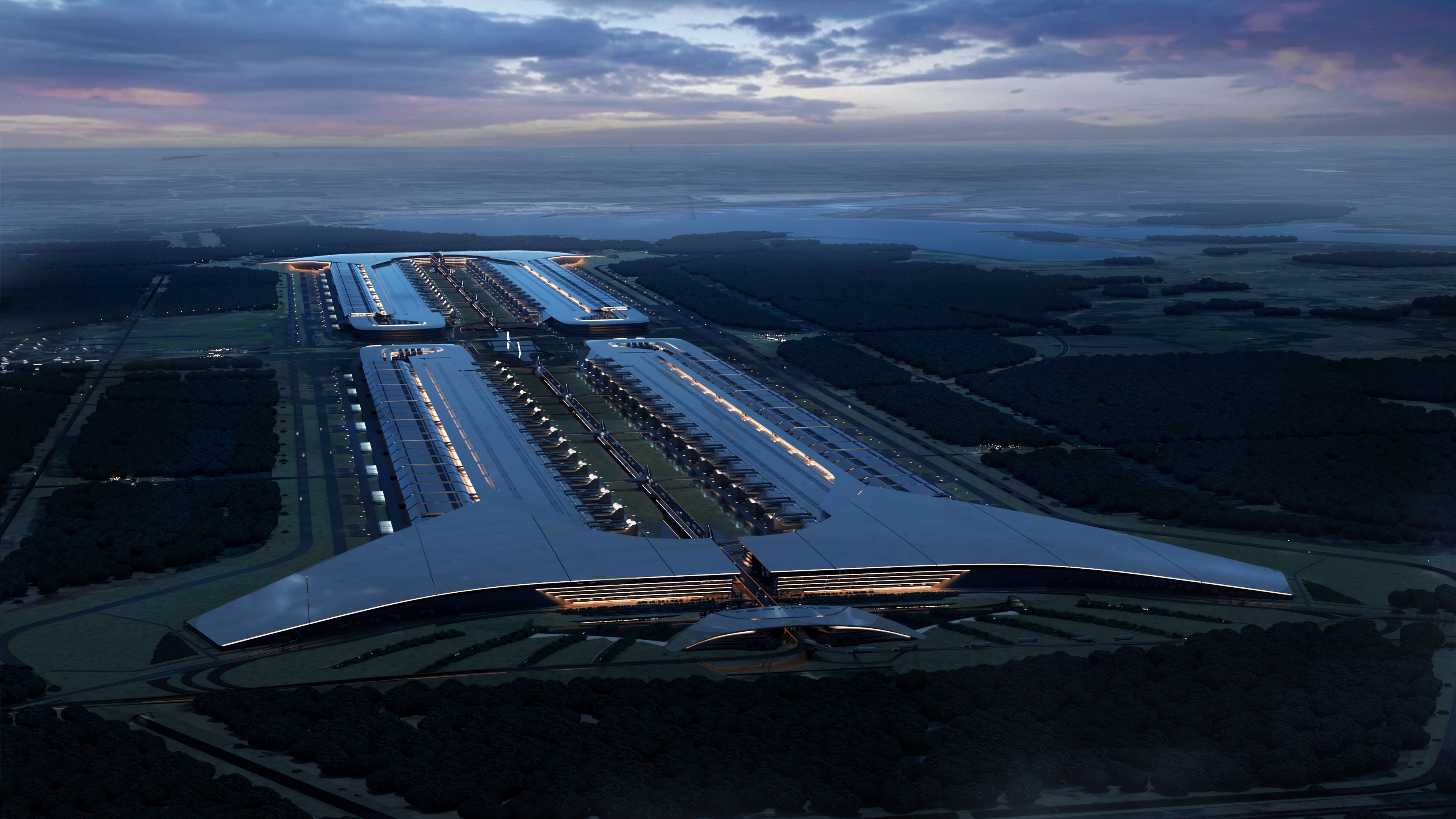
Tesla has talked about a large semiconductor manufacturing effort often called Terafab. The idea is to produce advanced chips for vehicles, robotics, autonomy and AI, and to own more of that hardware stack in-house.
Alongside design, land, capital and manufacturing capacity, electricity is a core planning input for a project at this scale.
What a fab uses power for
A modern semiconductor facility is a continuous industrial process. It depends on clean rooms, heating and cooling, ultra-pure water, vacuum systems, chemical processing, filtration and tight environmental control.
- Clean rooms
- Cooling
- Vacuum tools
- Ultra-pure water
- 24/7 operations
Those systems run together. The total electrical need depends on final design, process technology, production volume and supporting infrastructure. Exact megawatt figures for Terafab stay unpublished until those details are public. Fab power sits in the category of a large, continuous industrial load.
How Terafab sits next to Tesla's other energy needs
Tesla's roadmap also includes robotaxis, Optimus, AI training and inference, data-center style compute, vehicle and battery manufacturing, energy storage and charging.
Separately, U.S. electricity demand from data centers and AI infrastructure has been rising, and many utilities are working through long queues to connect large new loads. For any company planning a major fab, the timing of factory construction and the timing of utility interconnection are both part of the same project plan.
Generation and storage options Tesla already works with
Tesla already operates businesses in solar, batteries and Megapack-scale storage. That experience lets the company look at fab power as a mix of grid interconnection, onsite generation and storage.
A large plant still typically needs a serious grid connection and transmission. Onsite generation and batteries can change how much new utility capacity is required and when power is drawn from the grid.
On the public record for the Grimes County, Texas site tied to the Aug 2026 phase-one plan (the retired Gibbons Creek coal plant area), county materials have said facilities are expected to be powered by on-site plant(s), with grid electricity outside the primary path. Fuel type, exact capacity and any backup interconnection details remain soft in public materials. Exact Terafab site load has not been disclosed.
Keep two numbers separate
Public discussion sometimes mentions a “more than 1 TW” compute goal tied to Terafab. That figure refers to chip compute capacity output. The facility's wall-plug electrical draw is a separate number. Keeping those two measures apart keeps the power conversation clear.
- Chip compute capacity — processing power inside the chip, performance and speed, what the chip can do.
- Facility electricity — power delivered to the site, what keeps the plant running.
- They are related, but they are not the same measurement.
Nuclear as part of the long-term toolkit
For large continuous industrial loads, nuclear power is part of the broader energy conversation because it can produce electricity around the clock. Solar and batteries move large amounts of energy on different schedules, and chip manufacturing favors high reliability.
Small modular reactors are discussed as a possible path for large industrial customers. Deployment timelines, regulation, cost and availability are still major open factors. Nuclear is a long-horizon option that takes planning time.
Show-side Tim note (opinion, separate from the news claims): Terafab signs a nuclear power deal before it ships a single production wafer.
Solar plus storage on a fab campus
A campus with large solar and substantial battery storage can generate during high solar hours and shift energy into other periods. That model often aims to reduce the instantaneous burden on the utility while the plant still plans around a real interconnection.
Tesla sells products on both the generation and storage sides of that equation, which is unusual among companies discussing chip manufacturing at this scale.
Questions that set the power plan
- Process node.
- Wafer volume and annual chip output.
- How much of the manufacturing flow (including packaging and test) happens on site.
- Clean-room footprint and whether there are multiple fabs.
- Location and utility capacity commitments.
- How much dedicated generation and battery storage Tesla builds.
- Whether nuclear generation eventually joins the mix.
Until those are public, megawatt estimates stay provisional. The electricity planning question remains central either way.
Why this matters for AI hardware
AI devices need compute. Compute needs electricity. Companies that can secure power for manufacturing and for running AI workloads sit at the intersection of hardware and energy.
Terafab, as described in Tesla's AI and manufacturing ambitions, sits on that intersection: silicon manufacturing, AI systems, robots and autonomous vehicles, plus an existing energy business in generation and storage.
At full ambition, a project like that can look like a campus of connected systems: manufacturing, compute, generation, batteries, transmission, cooling, water and possibly nuclear later. Those pieces have to be planned together. Power is one of the main design inputs for Terafab.
Not investment advice.